The Strait of Hormuz under pressure: consequences for large-scale energy procurement
5 min | 19 March 2026
Why the market is moving
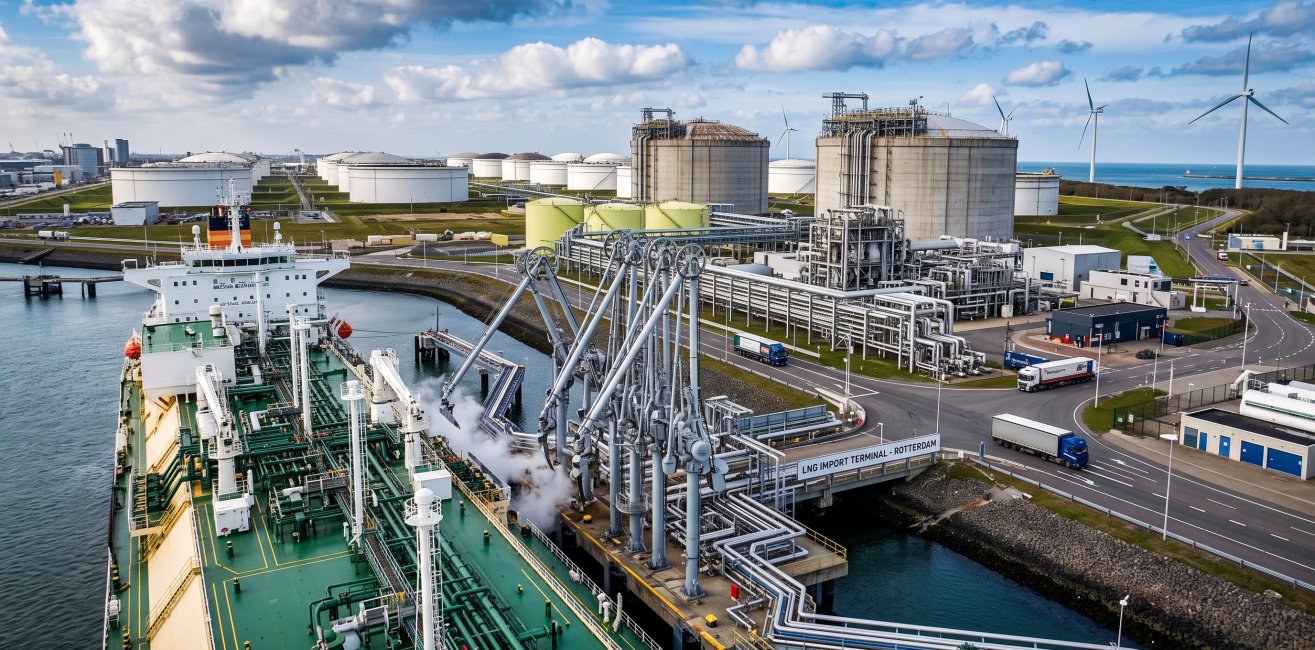
Europe has become more dependent on LNG imports in recent years. Tension around production, transport or transit is therefore priced into the market more quickly. The Strait of Hormuz plays a clear part in this. A considerable share of global LNG flows passes through this channel. As soon as the market becomes uncertain about throughput or safety, a sharp reaction in the gas price usually follows.
For large energy users it is not only the price level that matters, but above all:
the speed of the movement
the unpredictability of the market
the effect on contracting and budgeting
So this affects not only organisations on a variable contract, but also those in the middle of new contracting or renewal.
Your energy costs consist of more than the day price
When the market moves, many organisations look first at the commodity price. Understandable, but incomplete. Large-scale energy costs consist of more components than the price of the day alone.
Consider:
supplier premiums
contract terms
profile and bandwidth risks
volume arrangements
any retrospective corrections
In volatile markets suppliers see more risk. That often works through into their pricing and their terms. The price of energy and the price of certainty therefore do not always move in step.
For organisations on a variable or dynamic contract, a rise in the market feeds straight through into monthly costs. But organisations looking to sign a new multi-year contract feel the consequences too. Not only through the commodity price, but also through the premium a supplier charges for the risk it has to carry over the term.
How volatility feeds through into supplier premiums
This is an important point that often gets too little attention in practice. When pricing new or renewed contracts, suppliers look not only at the current market price but also at recent volatility. The more unsettled the market, the greater the risk they see. That can translate into:
higher premiums
tighter contract terms
less flexibility in volume or bandwidth
more emphasis on securities and risk management
With many professional multi-year contract forms you agree that premium at the outset for the term of the contract. That means it applies not only to the first purchasing moments but also to later tranches that you fix over time for future delivery.
That is precisely why the idea that you can simply wait for a calmer market and step in cheaply later is often less straightforward in practice than it looks.
Waiting for lower premiums is rarely a complete strategy
The thought “we will wait until the market is calmer” sounds rational. But waiting also means you are organising no protection in the meantime. And for budget-driven organisations that is often the real risk.
The relevant question is therefore usually not whether premiums might be lower later. That possibility exists. The relevant question is whether you want to keep carrying the uncertainty in the meantime.
For organisations in healthcare, government and education that is a material point. The room to absorb unexpected price rises is generally limited there. In that case doing nothing is not neutral. Doing nothing is also a choice.
The real trade-off is risk versus calm
In practice it is rarely a question of whether you can buy at the absolute bottom of the market. The real trade-off is whether the risk of remaining unprotected is greater than the additional cost you incur now to organise structure and protection.
That is exactly what professional risk management is about:
not gambling on the perfect moment
making sure price shocks stay manageable
building predictability into your operations
creating calm in budgeting and decision-making
Where the steering sits: spread purchasing of commodity
Good energy procurement therefore rarely turns on one perfect click moment. A spread approach usually works better in practice. Once the contract structure is in place, you can fix commodity in tranches on the basis of rules agreed in advance.
Consider:
price levels
click moments
stop-loss arrangements
predetermined frameworks for decision-making
That stops the whole position being fixed at a single moment and makes the organisation less dependent on chance or emotion.
That usually delivers three things:
less dependence on timing
more calm at board level
better explainability towards finance, supervisory bodies and the board
An underestimated risk: consumption profile and bandwidth
A second subject that is often underestimated is the consumption profile. Many large-scale contracts work with bandwidths, which means actual consumption has to stay within agreed margins.
If your consumption falls outside them, corrections or settlements at less favourable prices can follow. Particularly with multiple sites, seasonal effects, refurbishment, new buildings or changing occupancy, this is a real financial risk.
A solid approach therefore calls not only for a good contract, but also for:
an accurate consumption estimate
good monitoring
clear reporting
clear internal decision-making
What you can do now
What helps in this market is not reacting harder, but structuring earlier.
A practical approach starts with a few logical steps:
determine which risk your organisation does and does not want to hedge
choose a contract form that fits
set up spread purchasing with clear rules
get the consumption profile and bandwidths in order
record who decides when, so that energy procurement does not become an ad hoc process
That way contract and reality line up better, and not every market moment leads to a fresh discussion.
Conclusion
Geopolitical tension shows once again how sensitive the European energy market is. For budget-driven organisations the main lesson is not that you have to predict the market perfectly. The main lesson is that you organise your risks professionally.
Those who only wait for calm in the market often stay unprotected for too long. Those who put a suitable contract structure, a spread purchasing approach and sharp consumption management in place in good time are building something that many organisations value more than the lowest price of the day: calm, control, predictability.
The market may be volatile. Your energy policy does not have to be.
Related insights
3 min | 13 July 2026
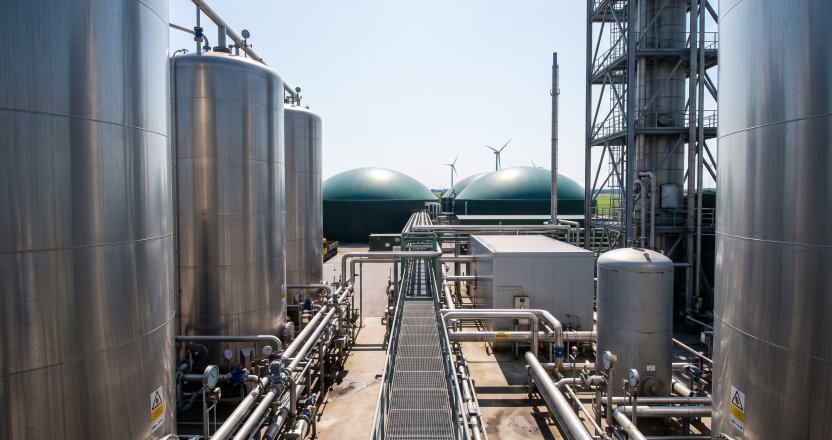
The green gas blending obligation: what is coming your way?
The Netherlands is introducing a blending obligation: energy suppliers will have to deliver an annually rising share of green gas. What does that mean for your invoice?
Read more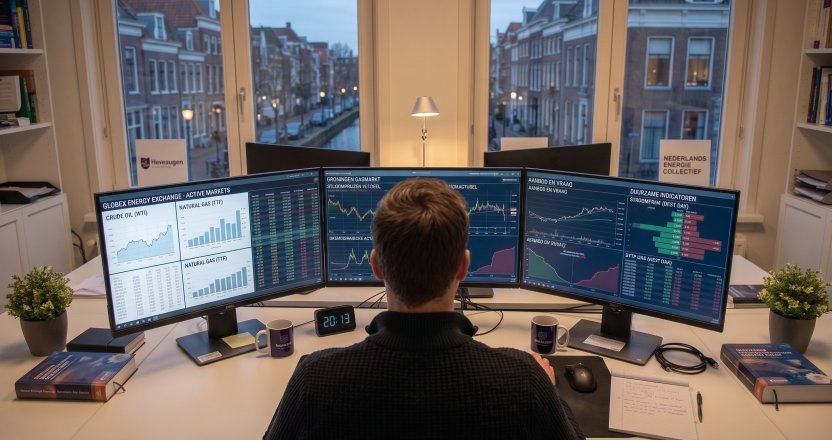
6 min | 15 June 2026
The energy market: where do we stand in mid-June 2026?
Price falls can reverse within a short time, while geopolitics, stocks and supply routes continue to steer the market. The key signals at a glance.
Read more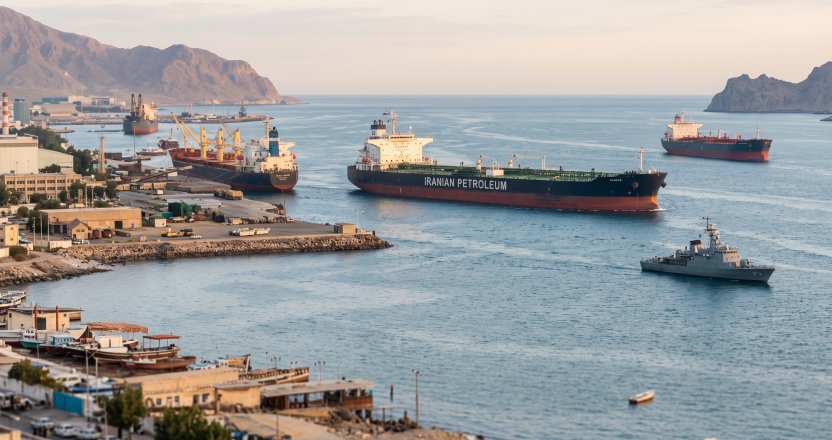
4 min | 30 April 2026
Iran, Hormuz and the energy market: where do we stand at the end of April 2026?
The disruption around the Strait of Hormuz led in March to the largest disruption in the history of the world oil market. Where do we stand at the end of April?
Read moreA first conversation works best over the portfolio you already have.

Bring twelve months of invoices for one entity. In 45 minutes we will show you what coordinated procurement under one mandate would change. No deck. No proposal.