The green gas blending obligation: what is coming your way?
3 min | 13 July 2026
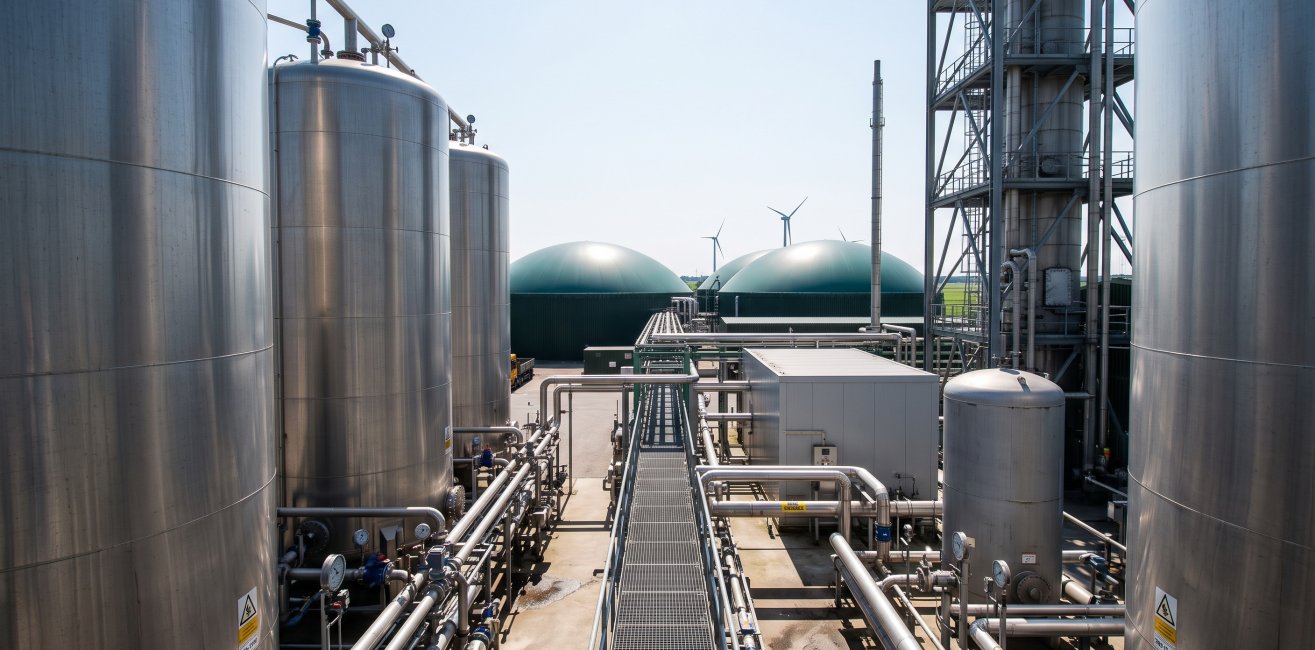
The Netherlands wants to accelerate green gas production, which is falling well short of its targets: around 0.33 billion m³ of green gas was produced in 2025, where the figure for 2030 is supposed to be 2 billion m³. The blending obligation is the instrument meant to force that scale-up. It requires energy suppliers to deliver an annually rising share of green gas to their customers. The thinking behind it is guaranteed demand, and with it the investment certainty green gas producers need.
The intended start date is 1 January 2027. The bill is currently before the Dutch House of Representatives: a round-table session was held at the end of June 2026 with Gasunie and Platform Groen Gas among others. Substantive debate is expected shortly after the summer recess. The scheme has already been postponed twice and the new timetable is widely called tight, so the date could still shift. The exact consequences are not fixed either, because the level of the obligation is still unclear.
But what does this mean for you?
The obligation sits with the supplier, not with you as the buyer, so there is nothing you need to do yourself. Suppliers will pass the costs on and absorb them into their supply tariff. In all likelihood that means a new line on your invoice.
The government estimates the average additional cost (excluding VAT) at:
2027: roughly 1 to 2 cents per m³
2031: roughly 9 cents per m³
Depending on how many suppliers use the buy-out, where they pay to discharge their obligation, this could rise to a maximum of roughly 12 to 17 cents per m³ in 2030. These figures are still estimates and depend on how the law is finally framed.
For large energy users the direction matters more than the exact date: combined with ETS2 (more on which in our next newsletter) and an expected increase in energy tax on gas, everything points to a structurally more expensive gas price over the coming years.
Our advice
Keep a close eye on the business cases for alternatives to natural gas, such as (hybrid) heat pumps, thermal energy storage or waste heat recovery. We naturally take these developments into account in the energy budgets we prepare for our participants.
Would you like to know what the blending obligation and the broader price trend mean for your organisation? We are happy to work the consequences through with you, from procurement strategy to the trade-offs around sustainability, so you can underpin your budget with confidence.
Related insights
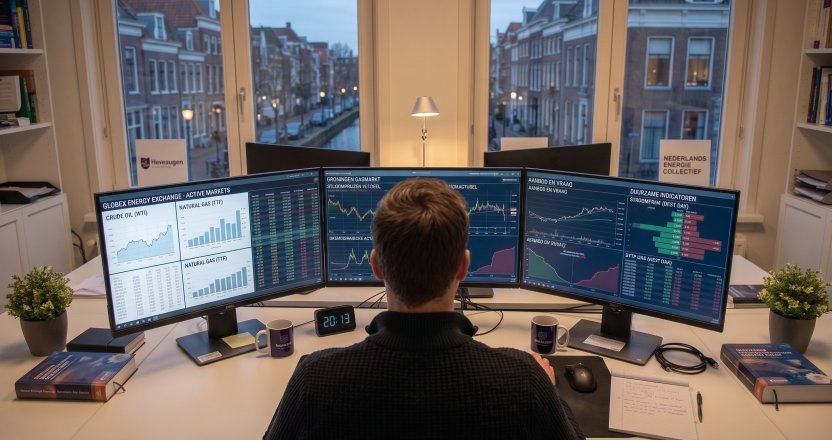
6 min | 15 June 2026
The energy market: where do we stand in mid-June 2026?
Price falls can reverse within a short time, while geopolitics, stocks and supply routes continue to steer the market. The key signals at a glance.
Read more
4 min | 30 April 2026
Iran, Hormuz and the energy market: where do we stand at the end of April 2026?
The disruption around the Strait of Hormuz led in March to the largest disruption in the history of the world oil market. Where do we stand at the end of April?
Read more
3 min | 20 March 2026
Newsletter March 2026
A team update, the impact of solar panels and batteries, the new SPRILA round and the tension around the Strait of Hormuz.
Read moreA first conversation works best over the portfolio you already have.

Bring twelve months of invoices for one entity. In 45 minutes we will show you what coordinated procurement under one mandate would change. No deck. No proposal.