What matters with solar panels, batteries and other major changes
4 min | 19 November 2025
The changing energy market
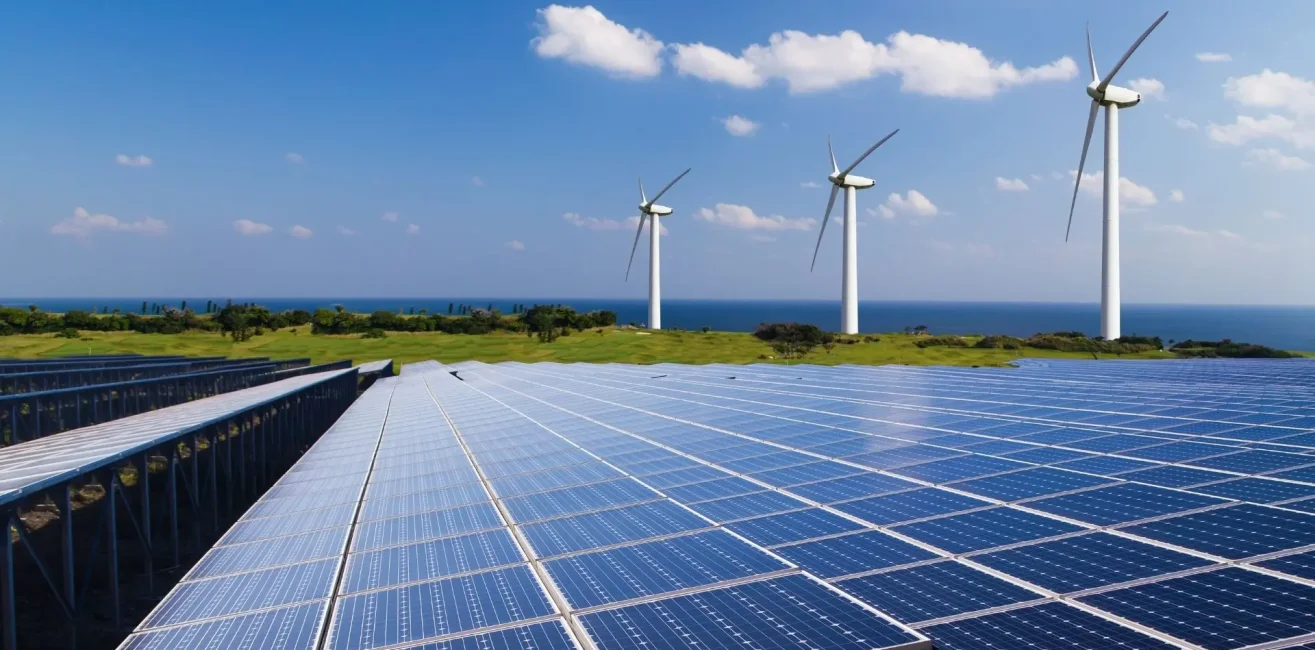
The energy market is changing at speed. Where energy used to be generated centrally and delivered by large power stations, we now see a clear shift towards decentralisation and flexibility. Organisations are increasingly becoming energy producers themselves by investing in solar panels, heat pumps and now battery systems as well.
These are positive developments that contribute to sustainability and to greater independence from the market. At the same time they bring new challenges. The way organisations draw energy from the grid and feed it back is changing fundamentally. That changes their consumption profile, which has direct consequences for how energy suppliers buy, price and manage risk.
In this short blog we explain briefly what those changes mean, how investments in solar panels or batteries affect your consumption profile, and why it matters to take these effects into account in your business case.
What do solar panels mean for your consumption profile?
When an organisation generates its own power with solar panels, it is not only the amount of electricity you draw from the grid that changes, but also the moment at which you draw it. That has a direct effect on the average energy price.
Normal consumption profile (without solar panels)
In the first chart we see relatively stable consumption in the morning and the evening, with a peak around 12 to 13:00.
At the same time we see that EPEX prices (the dark blue line) are at their lowest, and even negative, between 12:00 and 17:00. EPEX is the quarter-hourly spot market for electricity.
This means that in the standard situation you draw a lot of power during the cheap hours, which puts the average purchase price at 6.40 €ct./kWh (the yellow dotted line).
Consumption profile with solar panels
In the second chart we see a marked difference in consumption compared with the first, particularly between 10:00 and 18:00. Those are of course the hours in which solar panels produce most.
As a result you draw less power during the cheap hours and more in the morning and the evening, when prices are higher (8 to 13 €ct./kWh).
That pushes the average purchase price (the yellow dotted line) up to 8.10 €ct./kWh. A substantial difference of almost 30% against the normal consumption profile.
What do batteries mean for your consumption profile?
Adding batteries also changes your consumption profile considerably, although there are big differences between cases. The chart below shows an example of peak shaving, where a battery is used to move your peak consumption to other moments. That can be useful for organisations that want to expand but cannot obtain a heavier grid connection.
But batteries can also be used in a completely different way. Instead of lowering peaks, you can deploy them to draw extra power during the cheap hours, for instance around midday when solar energy is abundant. In that scenario your consumption profile becomes temporarily higher during the cheap hours rather than lower, as it is with peak shaving, because you are charging your battery then to use later during the expensive hours.
In short: the effect of a battery on your consumption profile depends heavily on how you use it, which makes it unpredictable for a supplier.
What do these changes mean for an energy supplier?
The shifts in consumption profiles caused by solar panels and batteries have an impact not only on the customer but on the supplier too. First, average purchase prices change. Depending on their objectives, customers draw more or less power during the cheap hours. For suppliers this is crucial, because contracts are often based on an expected consumption profile. If that profile changes, it affects their forecasts of margin and predictability.
Energy suppliers are also balance responsible. That means they have to honour the consumption and production they have nominated. Any imbalance can lead to penalties from TenneT, which is responsible for maintaining the Dutch grid frequency. Large profile changes at customers make this more complex and can cause additional costs.
To manage these risks, supply agreements contain provisions on the duty to inform in the event of major changes, and on the settlement of imbalance costs. That is why it is important to tell PowerQ about (large) sustainability investments in good time. It allows us to notify the energy supplier, make any settlements transparent and think along on the business case. These costs are often left out by solar and battery suppliers, but they are essential to a complete picture.
Our aim: to help our participants make decisions with full information, without unpleasant surprises afterwards.
Related insights
3 min | 13 July 2026
The green gas blending obligation: what is coming your way?
The Netherlands is introducing a blending obligation: energy suppliers will have to deliver an annually rising share of green gas. What does that mean for your invoice?
Read more
6 min | 15 June 2026
The energy market: where do we stand in mid-June 2026?
Price falls can reverse within a short time, while geopolitics, stocks and supply routes continue to steer the market. The key signals at a glance.
Read more
4 min | 30 April 2026
Iran, Hormuz and the energy market: where do we stand at the end of April 2026?
The disruption around the Strait of Hormuz led in March to the largest disruption in the history of the world oil market. Where do we stand at the end of April?
Read moreA first conversation works best over the portfolio you already have.

Bring twelve months of invoices for one entity. In 45 minutes we will show you what coordinated procurement under one mandate would change. No deck. No proposal.